
Chicago, IL → New Orleans, LA
1086 mi · 18h 12m (driving)
Current Risk
High Risk
Flood Watch in effect — consider delaying
Chicago
72°
38.9°
76°
35.9°
79°
32.9°
77°
New Orleans
79°
Trip Briefing
4 segments · 1086 mi · 18h 12m
Weather
⛅ Partly cloudy
76°F, wind 7 mph
Rest Stops
30
Truck svc, Restrooms, water
Cameras
1 live
Clear driving conditions expected
Rest stops in this segment:
- ● Rest Area 🚻
- ● Rest Area 🚻
- ● Rest Area 🚻
+ 3 more alerts
Weather May Slow Traffic
Active weather advisory — expect slower travel
Traffic Cameras
See recent road conditions along your route
Images are snapshots updated periodically by state DOTs. Timestamps shown in images indicate when each photo was captured.
Choose your route:
Selected Route
Via I-90 (Dan Ryan Expressway) → I-94 East (Dan Ryan Expressway) → ... → US-78 → I-10
Cameras shown are along this computed route
Need a custom route?
North of I-80
IL ·
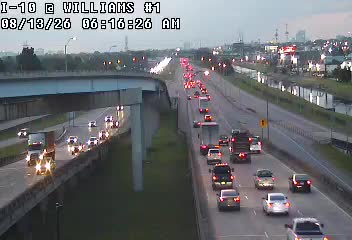
I-10 at Williams
LA ·
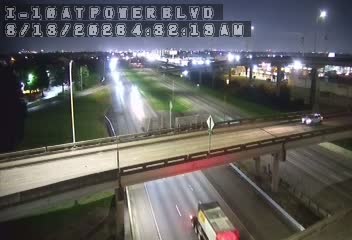
I-10 at Power Blvd
LA ·

I-10 at Veterans
LA ·
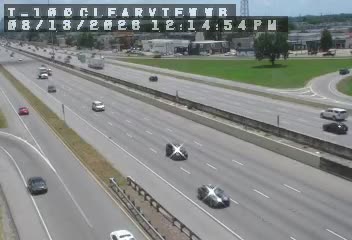
I-10 at Clearview
LA ·
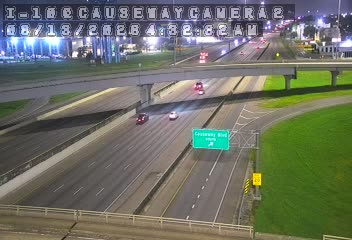
I-10 at Causeway
LA ·

I-10 at Causeway Blvd.
LA ·
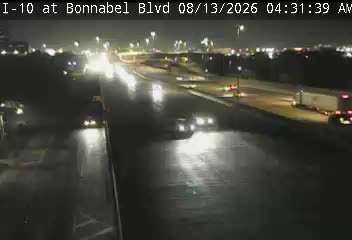
I-10 at Bonnabel
LA ·
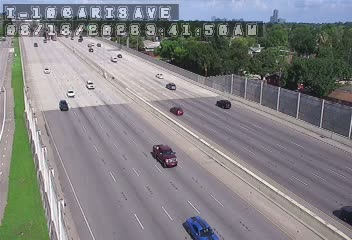
I-10 at Aris Ave
LA ·
I-10/I-610 at 17th Street Canal
LA ·

I-10 at Mound Ave.
LA ·
I-10 at Airline Hwy
LA ·
Rest Stops Along Your Route
93 stops available
Swipe to see moreShowing 1-2 of 93

Get Weather Alerts for This Route
We'll notify you when conditions change before your trip. Never drive into a surprise storm again.
⚡ Recent Weather Events on This Route
Premium users received alerts for these conditions:
- 🌧️Aug 13: Rain advisory for afternoon departures
- ❄️Aug 11: Snow expected at higher elevations - consider earlier departure
- 🌫️Aug 8: Dense fog warning for morning travel
Don't miss the next alert →
Driving from Chicago, IL to New Orleans, LA covers 1086 miles in roughly 18h 12m of drive time, crossing state lines. We track 12 live traffic cameras, 93 rest areas and 6 active weather alerts along this corridor so you can plan around them. On a drive this length, weather can change dramatically between stops. Use the segment-by-segment forecast below to time your route.
7-Day Driving Outlook
Today
Aug 15
78° / 70°
45% precip
Tomorrow
Aug 16
84° / 72°
43% precip
Mon
Aug 17
75° / 68°
22% precip
Tue
Aug 18
82° / 65°
27% precip
Wed
Aug 19
75° / 68°
53% precip
Thu
Aug 20
81° / 66°
11% precip
Fri
Aug 21
80° / 66°
11% precip
🗓️ Weekend Outlook
Saturday
Good to Go🌦️ Moderate rain showers at origin, 🌤️ Mainly clear at destination
Sunday
Good to Go🌧️ Dense drizzle at origin, ☁️ Overcast at destination
Plan This Route
Get hour-by-hour weather forecasts, real-time traffic, and find the optimal departure time.
🚗 Live traffic included
See if current slowdowns affect your drive time
Free • No sign-up required
Current Conditions
Chicago, IL
72°F
Wind: 10 mph
New Orleans, LA
79°F
Wind: 3 mph
Weather data updated in real-time
Driving from Chicago, IL to New Orleans, LA
Your drive from Chicago to New Orleans spans just over 1,086 miles of diverse American landscape, primarily following I-55 South through the heart of the continent before transitioning to I-59 toward the Gulf Coast. You'll depart Chicago heading south on I-55, which serves as your main artery for roughly 700 miles, carrying you through Illinois, Missouri, Arkansas, and into Mississippi. Once you cross into Alabama, you'll merge onto I-59 South, which curves toward the Mississippi-Louisiana border and eventually deposits you into New Orleans. This routing is the most direct path, taking approximately 18 hours and 12 minutes of driving time, though most travelers break the journey into two comfortable days.
As you move south from Chicago's urban landscape, you'll notice the terrain gradually transitioning from the relatively flat Midwest into the gently rolling hills of southern Missouri and Arkansas. The drive crosses several major river systems—most notably the Mississippi River near Memphis, Tennessee, a crossing that marks a significant geographic and cultural shift in the journey. Beyond Memphis, the landscape flattens considerably as you enter the Mississippi Delta region, characterized by expansive agricultural land and slower-paced communities. By the time you reach Alabama, low mountains and pine forests begin appearing, offering a pleasant visual contrast before the terrain flattens again as you approach Louisiana's coastal plains.
Notable cities punctuate your route, with St. Louis and Memphis serving as major urban checkpoints where you can stretch your legs and grab meals. St. Louis offers the iconic Gateway Arch just off your route, while Memphis provides easy access to Beale Street and rich musical history. As you approach Louisiana, smaller towns like Meridian, Mississippi, and Tuscaloosa, Alabama, provide charming stops along the way, while the final stretch toward New Orleans brings you through increasingly swampy terrain that signals your approach to the Gulf.
Spring and fall represent the ideal seasons for this drive, offering comfortable temperatures and clear visibility throughout. Summer heat can be intense, particularly in southern sections, while winter storms occasionally impact the northern portions of I-55. The journey is predominantly highway driving with minimal elevation change, making it manageable for most drivers, though you'll encounter urban congestion around Memphis and again approaching New Orleans.
The 1086-mile drive from Chicago, Illinois to New Orleans, Louisiana takes approximately 18h 12m under normal conditions. Weather along this route can vary significantly, especially across open plains where severe weather and high winds can develop quickly. Route Outlook helps you find the safest time to travel by showing you weather conditions at every point along your route, timed to when you'll actually be there.
Common Weather Hazards on This Route
- Severe thunderstorms and flash flooding (spring and summer)
- Hurricane and tropical storm impacts (June through November)
Seasonal Driving Considerations
The Midwest corridor of this route is susceptible to rapid weather changes. Severe thunderstorms and tornadoes are a real threat from April through June, while winter brings heavy lake-effect snow, ice storms, and dangerously low wind chill. Flat terrain means high crosswinds can affect vehicle stability year-round, especially for taller vehicles. Spring flooding can also close highway underpasses and low-lying road segments.
Best Time to Drive Chicago to New Orleans
For long drives like this 1086-mile journey, planning is essential. Consider breaking the trip into segments if weather looks challenging. The best approach is to check conditions for multiple departure times using Route Outlook's optimizer, which considers weather at each point when you'll actually be there.
Driving Strategy
Covering 1086 miles from Chicago to New Orleans is a full-day or multi-day drive that requires advance planning. Break the route into manageable segments, planning fuel and rest stops every 2-3 hours. Weather that looks fine at departure may deteriorate significantly at the midpoint. Consider booking overnight accommodation if the forecast shows deteriorating conditions in the latter half. Route Outlook's segment-level weather data helps you identify exactly where and when conditions will change.
Pro Tip
Use Route Outlook's departure optimizer to find the best time to leave. Our 4D trajectory engine considers weather at each point along your route at the exact time you'll be there — not just at your destination. It also integrates live data from traffic cameras, DOT 511 feeds, and road weather sensors.
Frequently Asked Questions
How long is the drive from Chicago to New Orleans?
The drive is approximately 1086 miles and takes about 18h 12m under normal traffic and weather conditions. Severe weather can add significant time to your trip.
What's the best day to drive this route?
Based on current forecasts, Thursday, Aug 20 looks ideal. Low chance of precipitation with manageable conditions
Is it safe to drive from Chicago to New Orleans today?
Current conditions show high risk along this route. Conditions look favorable for travel. Always stay alert and adjust speed for changing conditions.
Are there rest areas on the Chicago to New Orleans route?
Yes, there are 93 rest areas along this route. Facilities include restrooms, parking, and in some cases picnic areas and vending machines. Rest stops are spaced throughout the drive, so you'll never be too far from a break.
Can I see live traffic cameras on this route?
Yes, Route Outlook shows 12 live traffic cameras along this route, sourced from state DOT feeds. You can check road visibility, traffic flow, and pavement conditions in real time before and during your drive.
What highways does this route use?
This route primarily uses I-90 (Dan Ryan Expressway), I-10. Conditions can vary between highway segments, so check live camera feeds and road condition reports for each stretch before departing.
Are there any road closures on this route right now?
No significant incidents or road closures are currently reported along this route. Conditions can change quickly — this page updates automatically with the latest data from state DOT 511 systems.
Related Driving Guides
10 Essential Winter Driving Tips for Long Road Trips
Planning a winter road trip? Here are the essential safety tips to help you navigate snow, ice, and cold weather conditions.
🧊Black Ice: The Invisible Killer on Winter Roads
Black ice forms when rain or melting snow refreezes on cold road surfaces. Here's how to spot the conditions that create it.
🛡️Road Safety Features: Real-Time Conditions for Your Route
Real-time traffic incidents from 12 states, highway message signs, road conditions, and 25,000+ traffic cameras--integrated into your route planning.
Road Trip Guides Through This Area
Lake Michigan Circle Tour
A Complete Lap Around America's Third-Largest Lake
Route 66: Chicago to Santa Monica
The Mother Road — America's Most Famous Highway
Great River Road: Minneapolis to New Orleans
Following the Mississippi from North to South
Explore More Routes
More routes from Chicago
More routes to New Orleans
Similar-distance drives
More routes starting in IL
Don't Drive Blind Into Weather
Route Outlook shows you conditions at every point along your route—at the exact time you'll be there.
Open Planner